What Is EPDM Roofing? A Simple Guide for Flat and Low-Slope Roofs

When most people think of a roof, they picture shingles. But not every roof is designed for shingles — and not every roofline has the pitch needed for a traditional shingle system to perform the way it should.
That’s where specialty roofing materials like EPDM come in.
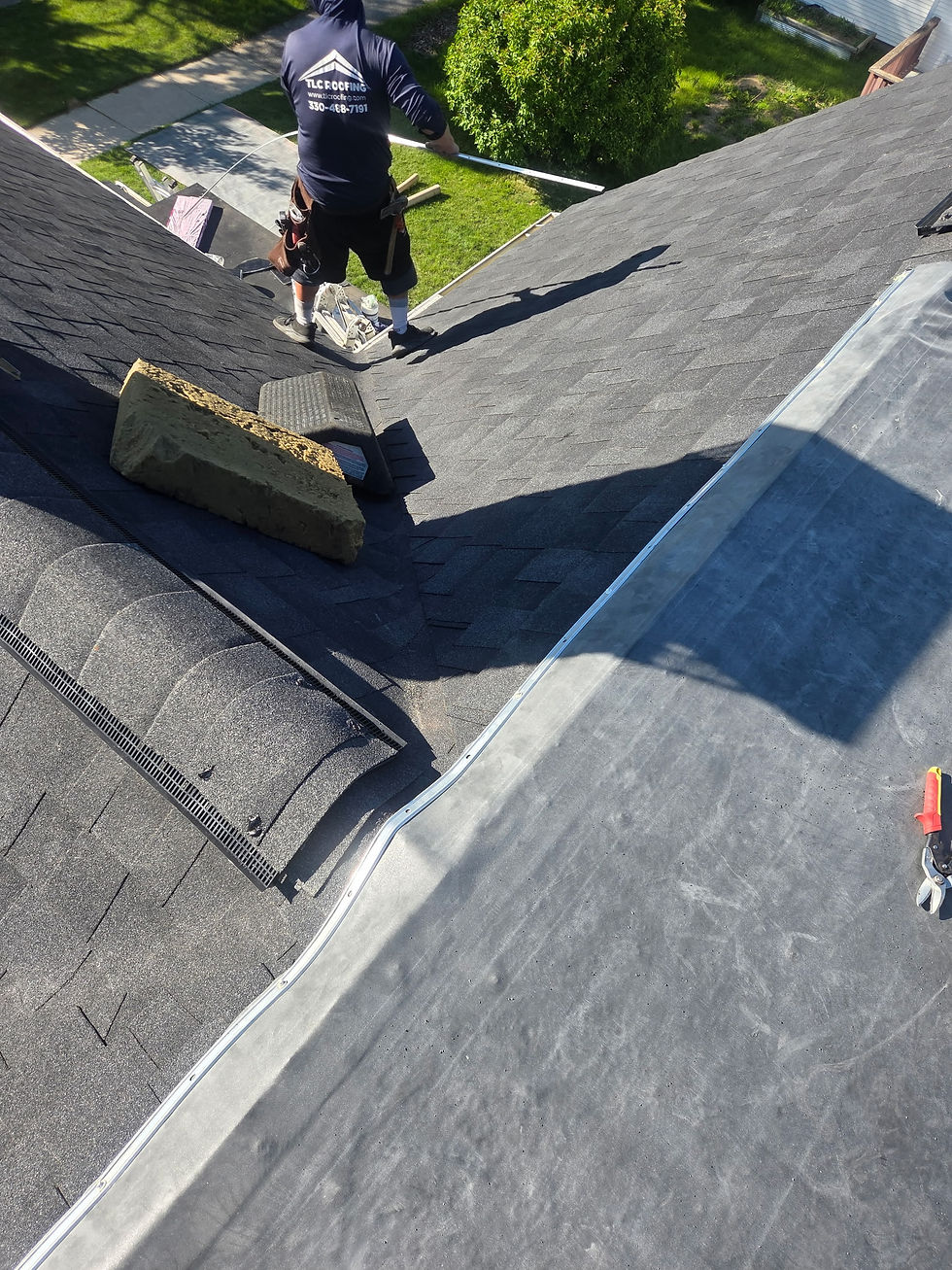
EPDM is a type of rubber roofing membrane commonly used on flat and low-slope roofs. It is designed to help protect areas where water does not run off as quickly as it would on a steeper roof.
What Does EPDM Mean?
EPDM stands for Ethylene Propylene Diene Monomer — which is a very technical name for a durable synthetic rubber roofing material.
In simpler terms, EPDM is a rubber membrane that creates a protective layer over flat or low-slope roof areas. Instead of using individual shingles, the roof is covered with a membrane system that is better suited for areas where water may drain more slowly.
Where Is EPDM Roofing Used?
EPDM roofing is commonly used on:
Flat roofs
Low-slope roof sections
Porches
Additions
Garages
Commercial buildings
Small specialty roof areas on homes
Sometimes a home may have mostly shingles, but still have one section where shingles are not the best option. This could be over a porch, addition, dormer, or flatter roof section. In those cases, a rubber membrane system may be the better choice.
Why Can’t You Just Use Shingles?
Shingles are made to shed water. They work best when installed on a roof with enough slope for rain and melting snow to run down and off the roof.
On a flat or low-slope roof, water can sit longer. When that happens, shingles may not provide the protection needed, and the risk of leaks can increase.
That is why using the right roofing system matters. A flatter roof needs materials that are made for that type of structure.
Why Professional Installation Matters
EPDM roofing may look simple from the outside, but the details matter.
The seams, edges, flashing, drainage, and transitions all need to be installed correctly. These are the areas where leaks are most likely to happen if the roofing system is not done properly.
A specialty roof requires experience and attention to detail. It is not just about putting material on a roof — it is about making sure the entire system works together to protect the home.
Specialty Roofing Requires the Right Solution
Every roof is different. Some homes need a standard shingle replacement, while others have unique areas that call for a specialty material like EPDM.
At Synergy Roofing and Construction, we believe in matching the right roofing system to the structure. Whether it is a traditional shingle roof, a complex roofline, or a flat/low-slope EPDM application, the goal is always the same: protect the home with quality workmanship and the right materials for the job.
The right roofing system depends on the roof itself — and sometimes, the best solution is not shingles at all.




Comments